Shelley Freese Honored with MPAEA Award of Excellence
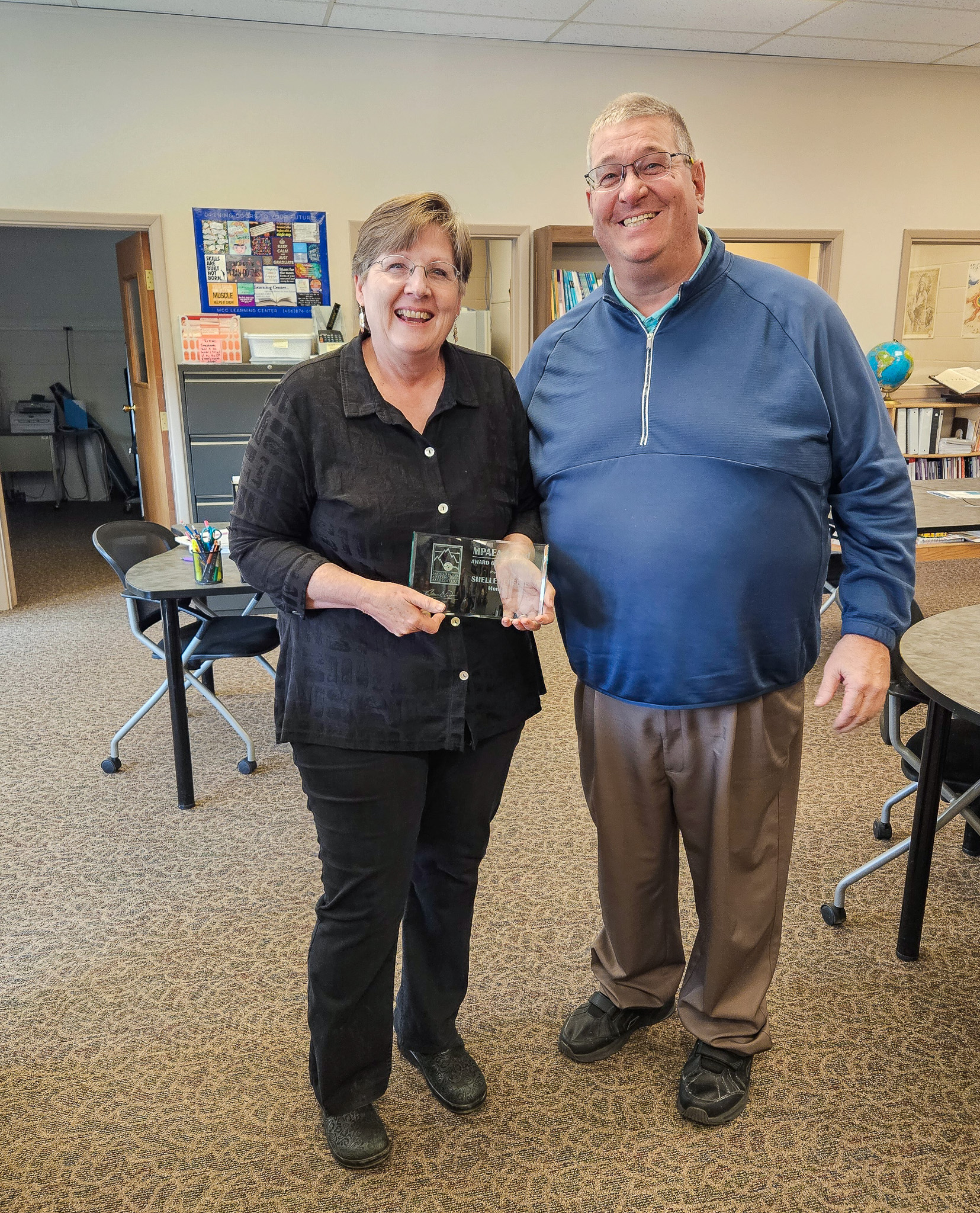
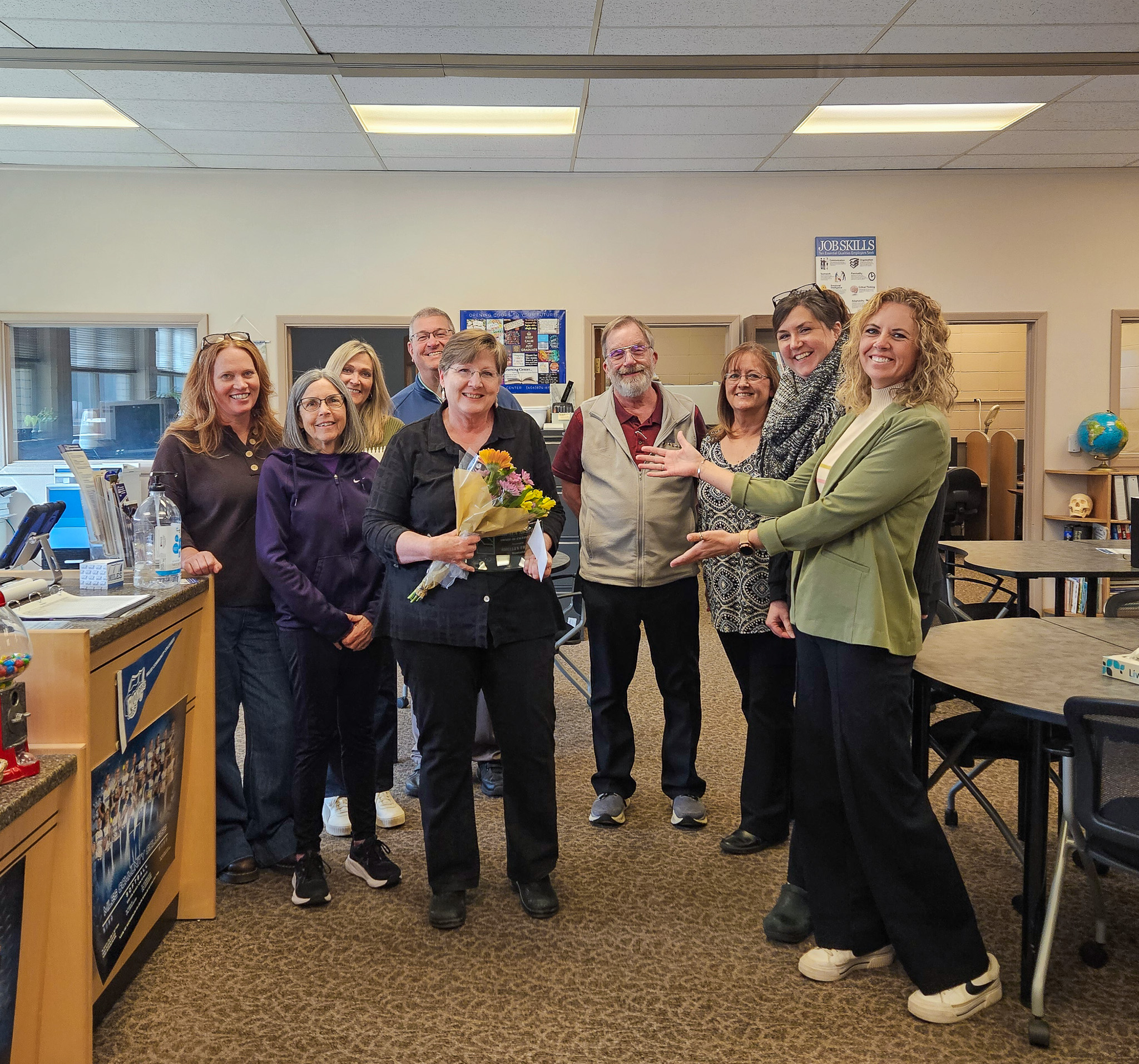
MILES CITY, MONTANA: Miles Community College Learning Center instructor Shelley Freese has been named the Montana recipient of the Mountain Plains Adult Education Association (MPAEA) Award of Excellence, recognizing her more than three decades of dedication to adult education.
The award, presented annually to one individual in each of the nine Mountain Plains states (Arizona, Colorado, Idaho, Montana, Nevada, New Mexico, North Dakota, Utah, and Wyoming) honors those who have made significant contributions to advancing adult education at the state or local level.
For Freese, who has spent 33 years helping students find their footing in education in both the Miles City area and, more recently, Havre, the recognition came as a surprise.
“I was flabbergasted,” she said.
For those who know her work, however, the honor feels long overdue.
“Shelley’s nurturing spirit provides a comfortable, safe space where students can learn and grow at their own pace,” said Holly Snell, Director of Student Success and Retention and Shelley’s direct supervisor. “The Miles City and Havre communities are lucky to have her in adult education.”
“I had no idea that Holly had nominated me,” continued Shelley. “I was very surprised and honored.”
Freese’s journey into adult education began unexpectedly in 1992, when she stopped by MCC hoping to tutor college students in writing. Instead, she was introduced to adult education and quickly found her place.
Within a year, she transitioned into a full-time role, drawn in by the students and the purpose of the work. Over time, it became clear that adult education wasn’t just a job—it was where she was meant to be.
Throughout her career, Freese has focused on helping students rebuild confidence—often after years away from education. Her work centers on meeting students where they are, understanding their individual experiences, and helping them move forward at their own pace.
Her nomination for the MPAEA award described her impact clearly: she doesn’t just teach content—she builds a bridge between where students are and where they hope to be.
That process often starts with listening. By creating space for students to share their experiences without judgment, she is able to tailor her approach to each individual. Small class sizes and personalized instruction allow her to work closely with students, helping them develop not only academic skills, but confidence in their ability to succeed.
A key part of Freese’s approach is giving students ownership of their learning. Whether they choose in-person classes, online coursework, or one-on-one tutoring, students are encouraged to take control of how they move through the program.
This flexibility helps students overcome past challenges and build momentum in a way that works for them. It also creates an environment where students feel respected and supported—something that can be critical for adult learners returning to education.
In recent years, Freese has played an important role in expanding adult education services across Montana’s Hi-Line, leading remote tutoring efforts across multiple counties.
While adapting to new technology came with challenges, she embraced the opportunity to reach more students.
“Learning how to use Zoom was daunting at first,” she said, “but it usually only takes a few minutes until students feel at home.”
Her students’ determination continues to inspire her—like one who attends evening tutoring sessions from a parked vehicle outside a rural home to get a reliable internet connection.
Over the course of 33 years, Freese has worked with countless students, each with their own story. One early experience stands out as a powerful example of what adult education can mean.
She once worked with a man in his fifties who needed to learn to read in order to pass Montana’s CDL test and support himself after the loss of his wife.
“The first question he asked me was, ‘So, how many people have you taught to read?’” she recalled.
Her answer at the time: none.
What followed was a months-long process that began with the alphabet and eventually worked its way through the CDL manual. Along the way, they built trust, confidence, and a path forward.
“It took about four months… I will never forget the day he stopped by,” she said, after passing his test and securing a job.
For Freese, success isn’t defined by a single outcome—it’s defined by the student.
“It looks like whatever the student thinks it should look like,” she said, whether that means continuing their education, finding a job, or simply achieving a lifelong goal.
That perspective has shaped a career centered on individual impact, as Freese meets students where they are and helps them move forward at their own pace. Much of her work focuses on building confidence—often in students who haven’t believed in their abilities for years—and it’s those small moments of progress, from gaining skills to passing a test or simply feeling capable again, that define success in her classroom.
While the MPAEA Award of Excellence recognizes Freese’s contributions over the past 33 years, her focus remains on the work itself—supporting students and helping them take the next step.
“My biggest motivation is meeting new students, getting to know them, and taking some of the fear and anxiety out of the process,” she said.
That motivation hasn’t faded with time. If anything, it continues to grow with each new student and each new story. And for Freese, the work is far from over.